Image unavailable
Our editorial team reviews specifications, product data, and field-use information to keep pages accurate.
You'll be taken to Fin Feather Fur Outfitters to complete your purchase.
Hunter's Outpost earns a commission from affiliate links at no extra cost to you.
SKU: CNS110-LINDY LITTLE JOE INC
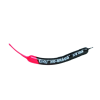
Built for fishing around heavy cover, this slip sinker is shaped to move through rocks, weeds, wood, and brush with less hang-up than a conventional design. Its banana-shaped form and cam action are intended to help it pivot and work free while still giving the angler a better feel for bottom contact. It suits Lindy-rigging, Carolina-rigging, drifting, and trolling, making it a practical choice when the goal is to fish difficult water without constantly stopping to clear snags. The design is specialized rather than general-purpose, so it is most useful when cover and bottom structure are part of the presentation.
Banana-shaped Design
Helps it glide over heavy
Cam Action
Is designed to pivot and
Water-dynamic Construction
Uses seven materials molded into
Suitable Lindy-rigging,
Carolina-rigging, drifting, and trolling
Designed Provide
Better feel of the bottom
| Action | Cam action |
|---|---|
| Construction | Combination of seven materials |
| Design | Water-dynamic design |
| Original Designer | Ron Lindner |
| Product Category | Fishing Tackle |
| Product Subcategory | Sinkers |
| Shape | Banana-shaped |
| Snag Free Result | 95-percent snag-free results |
| Use Cases | Lindy-rigging, Carolina-rigging, drifting, trolling |
It is designed to glide over heavy cover and help the angler work through snags, including rocks, weeds, wood, and brush.
The product description says it is perfect for Lindy-rigging, Carolina-rigging, drifting, and trolling.
It says the sinker uses a combination of seven materials molded in a water-dynamic design, but it does not list the individual materials.
Yes. The description says its banana-shaped construction helps give the angler a better feel of the bottom.
The description states that field-testing in lakes, rivers, and reservoirs yielded 95-percent snag-free results, but no additional testing details are provided.